

Meta Title (≤55 chars): Bardid Explained: Future of Digital Identity
Meta Description (≈135 chars): Learn how Bardid works, its decentralized identity system, security benefits, and why it replaces passwords in the modern digital world.
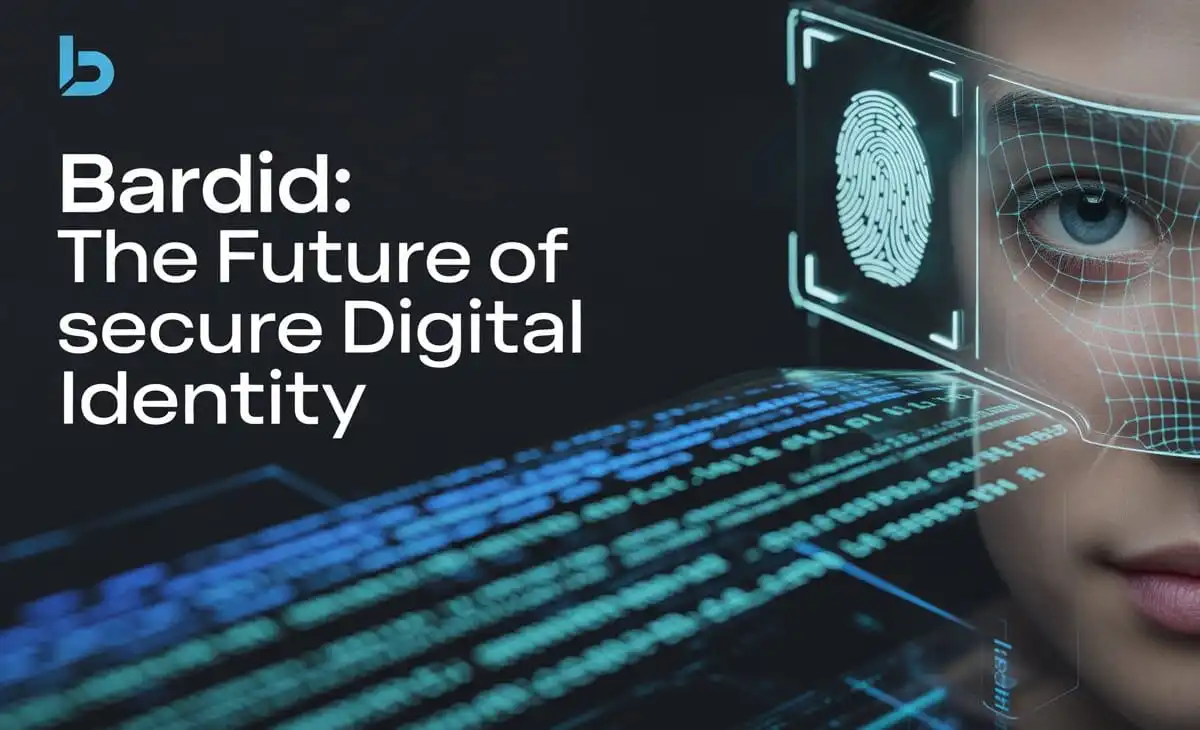
Bardid: The Future of Secure Digital Identity in 2026
Introduction to Bardid
In today’s digital world, identity systems are broken. Data breaches, password leaks, and phishing attacks have made traditional login systems unsafe. This is where Bardid comes in.
It is not just another login tool. It is a complete shift from centralized identity systems to a decentralized, secure, and user-controlled identity model. Instead of trusting companies to store your data, it gives you full control through a Digital Identity Wallet.
Why Traditional Identity Systems Are Failing
Traditional identity systems rely on central servers. These servers store millions of user records, making them attractive targets for hackers.
When one system is breached, millions of identities are exposed. This is known as the “honeypot problem.” Hackers focus on one big target instead of many small ones.
It solves this by removing central storage. Your identity is no longer stored in one place it lives with you.
The Problem with Passwords and MFA
Passwords are outdated. Even Multi-Factor Authentication (MFA), like SMS codes, is not fully secure. These methods can be intercepted or tricked through phishing.
They also create friction. Users get tired of entering codes, remembering passwords, or resetting accounts.
It replaces all of this with biometric-based authentication. No passwords. No codes. Just secure, seamless access.
What Makes Bardid Different?
It is built on a concept called Self-Sovereign Identity (SSI). This means you own your identity, not a company.
Instead of sharing personal data, it allows you to prove facts about yourself without revealing full details. For example, you can prove your age without sharing your birthdate.
This approach increases privacy and reduces risk.
Core Technology Behind Bardid
It is powered by advanced technologies that work together:
- Decentralized Identifiers (DIDs)
- Public Key Infrastructure (PKI)
- Zero-Knowledge Proofs (ZKP)
- Secure Enclave hardware
These technologies ensure your identity is secure, private, and verifiable without exposing sensitive data.
How Bardid Uses Decentralized Identifiers
Decentralized Identifiers (DIDs) replace traditional usernames. Each user has a unique identity stored on a distributed system.
This system allows verification without relying on a central authority. It creates trust directly between users and services.
This makes it more secure and flexible than traditional identity systems.
Zero-Knowledge Proofs for Privacy
One of the most powerful features of Bardid is Zero-Knowledge Proofs. This allows you to prove something without revealing the actual data.
For example, you can prove you are over 18 without sharing your exact age. This protects your privacy while still meeting verification needs.
It is a major step forward in user-centric security.
Hardware-Based Security and Biometrics
It uses hardware-level security through secure environments in your device. Your private keys never leave your phone.
Biometric binding, like fingerprint or face recognition, ensures that only you can access your identity.
This makes it resistant to phishing and hacking attempts.
Interoperability and Global Use
It is designed to work across different platforms and countries. It supports global standards and allows identities to be used anywhere.
Whether opening a bank account or accessing a service, your credentials can be verified instantly.
This removes the need to repeat identity verification again and again.
Business Benefits of Bardid
It is not only useful for users but also for businesses:
- Reduces onboarding costs
- Eliminates password reset issues
- Improves security compliance
- Speeds up verification processes
Companies can save time and money while improving user experience.
Bardid in a Zero Trust World
Modern security follows a “Zero Trust” model. This means no one is trusted automatically.
It fits perfectly into this model. Every action is verified using cryptographic proof.
This reduces risks from internal threats and compromised sessions.
Challenges in Adopting Bardid
Despite its advantages, its adoption has challenges. Organizations may find it hard to replace existing systems.
There is also a learning curve for developers and users. Integration with legacy systems requires planning.
However, these challenges are temporary compared to long-term benefits.
Future of Bardid and Digital Identity
It represents the future of identity. As technology evolves, identity systems will become more decentralized and secure.
Future developments may include AI-based identity verification and deeper biometric analysis.
By 2026 and beyond, systems like Bardid could replace passwords entirely.
Conclusion
It is more than a trend it is a solution to a broken system. By removing centralized identity storage and replacing it with user-controlled, secure technology, it changes how we interact online.
It improves privacy, reduces risk, and simplifies authentication. Whether you are a user or a business, understanding it prepares you for the future of digital identity.
Frequently Asked Questions (FAQs)
1. What is Bardid?
It is a decentralized digital identity system that replaces passwords with secure, user-controlled authentication.
2. How is Bardid different from traditional login systems?
Traditional systems store user data on central servers. It keeps identity data with the user, reducing risk and improving privacy.
3. Does it use passwords?
No, it uses biometric authentication and cryptographic keys instead of passwords.
4. What are Zero-Knowledge Proofs in Bardid?
They allow users to prove information without revealing actual data, improving privacy and security.
5. Is it safe to use?
Yes, it uses advanced security technologies like PKI and hardware-based protection, making it highly secure.
6. Can it work on smartphones?
Yes, it works on modern smartphones using built-in security features like secure enclaves.
7. What happens if I lose my device?
It supports recovery options like social recovery or secure backups to restore your identity.
8. Is it suitable for businesses?
Yes, it reduces costs, improves security, and simplifies user onboarding for businesses.
9. Will Bardid replace passwords completely?
It has the potential to replace passwords as adoption grows and systems evolve.
10. Why is it important for the future?
Because it solves major issues like data breaches, identity theft, and poor user experience in current systems.
