


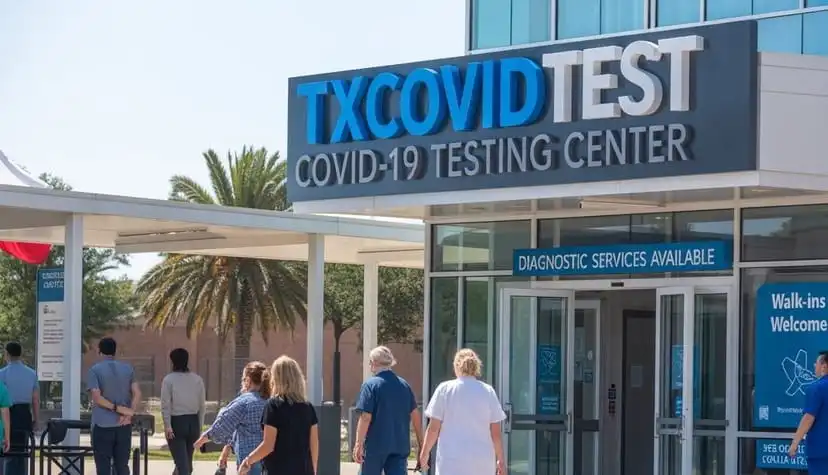
The COVID-19 pandemic changed healthcare systems across the world, and Texas was no exception. During the height of the crisis, millions of residents needed fast, reliable, and accessible testing services. This growing demand led to the development of txcovidtest, a statewide initiative designed to improve COVID-19 diagnostic efforts and support public health across Texas.
As communities worked to slow the spread of the virus, testing became one of the most important tools available. The txcovidtest program helped expand access to testing, improve response times, and provide residents with accurate information about their health status. Through partnerships with healthcare providers, laboratories, and local agencies, the initiative played a major role in Texas’s pandemic response.
Understanding the Purpose of txcovidtest
The primary goal of txcovidtest was to create a coordinated testing network that could serve residents across Texas. During the early stages of the pandemic, many communities struggled with limited testing availability and delayed results. The program aimed to address these issues by increasing access and improving efficiency.
By providing centralized information and support, the initiative helped residents locate testing centers and understand testing requirements. It also enabled healthcare officials to track infection rates more accurately and respond to outbreaks quickly.
The program became an essential part of the state’s strategy to monitor and manage COVID-19 transmission while supporting community health and safety.
COVID-19 Testing Landscape in Texas
Testing services in Texas evolved significantly throughout the pandemic. Initially, testing resources were limited and often reserved for individuals showing symptoms or those who had direct exposure to confirmed cases.
As demand increased, more testing sites opened across cities and rural communities. Residents gained access to various testing methods, including PCR tests and rapid antigen tests. These options allowed healthcare providers to identify infections more quickly and implement appropriate public health measures.
The expansion of testing capabilities laid the foundation for initiatives like txcovidtest, which helped organize and improve statewide diagnostic efforts.
How txcovidtest Improved Testing Accessibility
One of the most important achievements of txcovidtest was making testing more accessible for people throughout Texas. Accessibility was critical because many residents lived far from major healthcare facilities.
The initiative supported testing expansion through several approaches:
- Increased community testing locations
- Mobile testing units for rural regions
- Partnerships with local healthcare providers
- Public awareness campaigns
- Online resources for finding testing centers
These efforts helped reduce barriers and ensured that more residents could access testing when needed.
Challenges Faced During Implementation
Despite its success, the program encountered numerous challenges while expanding testing services across such a large state. Texas has diverse geographic regions, making equal access difficult to achieve.
Healthcare facilities often faced supply shortages during periods of high demand. Testing kits, laboratory capacity, and protective equipment were sometimes limited, creating delays for patients and providers alike.
Staffing shortages also presented obstacles. Healthcare workers were under immense pressure throughout the pandemic, and maintaining adequate staffing levels at testing sites became increasingly difficult.
These challenges required constant adaptation and strategic planning to ensure testing services remained available.
The Role of Community Partnerships
A major strength of txcovidtest was its ability to bring together multiple organizations with a shared goal. Public health agencies, hospitals, laboratories, and community groups worked together to expand testing capacity.
Community partnerships allowed the program to reach populations that might otherwise have been underserved. Local organizations helped distribute information, coordinate testing events, and encourage participation among residents.
This collaborative approach increased trust and improved communication between healthcare providers and the communities they served.
Successes Achieved Through txcovidtest
The impact of txcovidtest became evident as testing capacity expanded across Texas. Millions of residents gained access to diagnostic services, helping health officials identify cases earlier and reduce community transmission.
Several key accomplishments stood out during the program’s operation:
- Expanded testing availability statewide
- Reduced turnaround times for results
- Improved public awareness of testing resources
- Enhanced outbreak monitoring capabilities
- Supported informed public health decisions
These achievements demonstrated the value of coordinated statewide health initiatives during a public health emergency.
Technology and Innovation in Testing Efforts
Technology played an important role in the effectiveness of txcovidtest. Digital tools helped residents locate testing centers, schedule appointments, and receive results more efficiently.
Healthcare providers used data systems to track testing trends and identify areas experiencing increased transmission. This information supported resource allocation and enabled faster responses to emerging outbreaks.
The integration of technology improved both patient experiences and public health planning, making testing operations more effective across the state.
Impact on Controlling COVID-19 Spread
Testing is one of the most effective methods for controlling infectious diseases. By helping identify positive cases quickly, it enabled individuals to isolate appropriately and prevent further transmission.
The program supported contact tracing efforts and provided critical data for state and local health officials. These insights helped authorities understand infection patterns and adjust public health recommendations accordingly.
Early detection allowed communities to respond more effectively, reducing the risk of widespread outbreaks and protecting vulnerable populations.
Future Improvements and Public Health Preparedness
The experience gained through txcovidtest continues to influence public health planning in Texas. Future strategies focus on improving healthcare readiness and strengthening testing infrastructure for potential health emergencies.
Several areas remain priorities for improvement:
- Expanding mobile healthcare services
- Enhancing laboratory capacity
- Improving digital health tools
- Increasing public health education
- Strengthening emergency response systems
These efforts aim to build a more resilient healthcare system capable of responding quickly to future challenges.
Lessons Learned from the Program
The pandemic highlighted the importance of preparedness, adaptability, and collaboration. Programs like txcovidtest demonstrated that effective public health responses require coordination between government agencies, healthcare providers, and local communities.
One of the biggest lessons learned was the value of accessible healthcare services. When residents can obtain testing easily and quickly, communities are better equipped to manage public health threats.
The program also showed how technology and community engagement can work together to improve healthcare outcomes during times of crisis.
Why txcovidtest Remains Important
Although the most urgent phase of the pandemic has passed, the legacy of txcovidtest continues to influence public health efforts in Texas. The systems, partnerships, and strategies developed during the program provide a strong foundation for future healthcare initiatives.
The experience gained through statewide testing operations has improved emergency preparedness and strengthened public health infrastructure. Communities now have a better understanding of how coordinated action can protect public health during large-scale emergencies.
As healthcare continues to evolve, the lessons from it will remain valuable for future generations.
Conclusion
It played a significant role in Texas’s response to the COVID-19 pandemic by expanding testing access, improving diagnostic capabilities, and supporting public health decision-making. Through strong partnerships, technological innovation, and community engagement, the program helped millions of Texans access critical testing services during a challenging period.
The initiative demonstrated the importance of collaboration and preparedness when addressing public health crises. While the pandemic presented numerous obstacles, the success of it showed how coordinated efforts can make a meaningful difference in protecting communities.
As Texas continues to strengthen its healthcare infrastructure, the lessons learned from txcovidtest will remain an important guide for future public health strategies.
Frequently Asked Questions
1. What is txcovidtest?
txcovidtest is a Texas-based initiative that supported statewide COVID-19 testing efforts by improving access to diagnostic services and public health resources.
2. Why was txcovidtest created?
The program was developed to expand testing availability, improve response times, and help control the spread of COVID-19 throughout Texas.
3. Who benefited from txcovidtest?
Residents across Texas benefited from the initiative, especially individuals living in underserved and rural communities with limited healthcare access.
4. What types of COVID-19 tests were available?
The program supported access to PCR tests and rapid antigen tests, depending on local testing site capabilities.
5. How did txcovidtest help public health officials?
Testing data helped officials track infection trends, identify outbreaks, and make informed decisions regarding public health measures.
6. What challenges did the program face?
Major challenges included supply shortages, staffing limitations, laboratory capacity issues, and reaching remote communities.
7. Did txcovidtest use technology to improve services?
Yes, digital tools helped residents find testing locations, schedule appointments, and access test results more efficiently.
8. How did community partnerships support the initiative?
Local organizations, healthcare providers, and government agencies worked together to expand testing access and increase public awareness.
9. What impact did txcovidtest have on COVID-19 control?
The initiative supported early detection, reduced transmission risks, and strengthened outbreak monitoring efforts across Texas.
10. What is the long-term legacy of txcovidtest?
The program improved public health infrastructure, enhanced emergency preparedness, and provided valuable lessons for future healthcare responses.
