


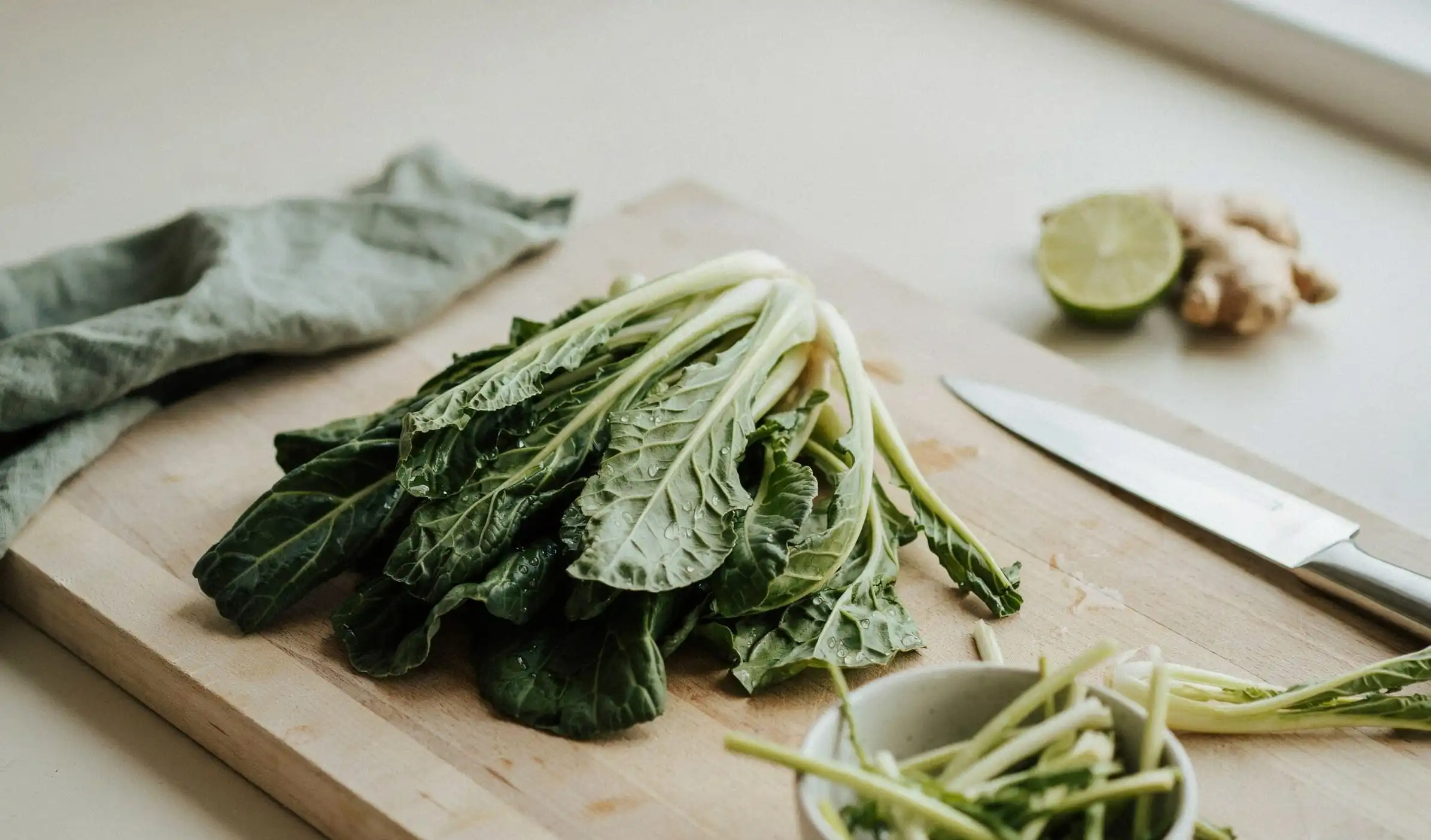
Healthy eating has become more important than ever, and people are constantly searching for fresh ingredients that are both nutritious and easy to prepare. While vegetables like spinach, kale, and lettuce have dominated healthy meal plans for years, a new leafy green is starting to attract attention. That green is Yalla Choy.
Many people are discovering Yalla Choy because of its mild flavor, quick cooking time, and impressive nutritional profile. It fits perfectly into modern lifestyles where convenience and health go hand in hand. Whether you are trying to improve your diet, explore new vegetables, or simply add more greens to your meals, Yalla Choy offers an excellent option.
What Is Yalla Choy?
It is a leafy green vegetable commonly associated with Asian-inspired cooking. It features soft green leaves and tender stems that remain slightly crisp after cooking. The vegetable is often compared to bok choy because of its appearance and versatility, although it has its own unique characteristics.
One reason people enjoy this vegetable is its balanced texture. The leaves become soft and delicate during cooking, while the stems maintain a pleasant crunch. This combination makes it suitable for a variety of dishes ranging from soups and stir-fries to salads and noodle bowls.
Unlike some leafy vegetables that require extensive preparation, it is simple to clean, chop, and cook, making it ideal for busy households.
The History and Origins of Yalla Choy
The roots of Yalla Choy can be traced to regions where fresh vegetables have long been central to traditional cuisine. Similar leafy greens have been cultivated and enjoyed for generations throughout various Asian communities.
As global food culture expanded, chefs and home cooks began experimenting with vegetables from different parts of the world. This exchange of culinary traditions helped introduce Yalla Choy to new audiences beyond its original regions.
Today, supermarkets, farmers’ markets, and specialty grocery stores increasingly carry Yalla Choy as consumers seek healthier and more diverse food options. Its growing popularity reflects a broader trend toward plant-based eating and nutritional awareness.
Why Yalla Choy Is Becoming Popular
Several factors have contributed to the rise of Yalla Choy in recent years. Modern consumers want ingredients that are nutritious, easy to prepare, and versatile enough to fit into different recipes.
Some key reasons for its popularity include:
- Quick cooking time
- Mild and approachable flavor
- Rich nutritional content
- Low calorie count
- Compatibility with many cuisines
- Suitable for vegetarian and vegan diets
Social media food trends have also played a role. Healthy recipe creators frequently showcase colorful vegetable dishes, encouraging more people to experiment with ingredients they may not have considered before.
Nutritional Value of Yalla Choy
One of the biggest advantages of Yalla Choy is its nutrient density. It provides a variety of vitamins and minerals while remaining low in calories.
Important nutrients include vitamin A, vitamin C, vitamin K, calcium, iron, fiber, and antioxidants. These nutrients support multiple functions within the body and contribute to overall wellness.
Because it delivers substantial nutrition without adding excessive calories, it fits well into weight-management plans and balanced diets. It can easily replace less nutritious side dishes while providing additional health benefits.
The combination of nutrients makes it a practical choice for individuals of all ages, from children to older adults.
Health Benefits of Yalla Choy
Regular consumption of leafy greens can support better health, it is no exception. Its nutrient profile offers several important benefits.
Vitamin A supports healthy vision and immune function. C Vitamin helps strengthen the immune system and promotes healthy skin. Vitamin K contributes to bone health and proper blood clotting.
Fiber plays a critical role in digestion by supporting regular bowel movements and helping maintain a healthy digestive system. The vegetable’s antioxidants help protect cells from oxidative stress, which may contribute to long-term wellness.
Because it contains relatively few calories, it can also support healthy weight management when included as part of a balanced diet.
How to Prepare Yalla Choy
Preparing Yalla Choy is simple, even for beginners. The process requires minimal effort and only a few basic kitchen tools.
Start by rinsing the leaves and stems thoroughly under cool water to remove any dirt. After washing, trim the base and cut the vegetable into manageable pieces.
Some cooks prefer separating the stems from the leaves because the stems require slightly more cooking time. This approach helps achieve the ideal texture throughout the dish.
The vegetable can be prepared in advance and stored in the refrigerator until needed. Proper preparation ensures the best flavor and texture during cooking.
Best Ways to Cook Yalla Choy
One of the reasons it appeals to home cooks is its versatility. It adapts well to many cooking techniques and flavor combinations.
Popular cooking methods include:
- Stir-frying with garlic and soy sauce
- Adding to soups and broths
- Steaming with simple seasonings
- Mixing into noodle dishes
- Combining with rice bowls
- Using fresh in salads
Its mild flavor allows it to absorb seasonings effectively without overpowering other ingredients. This flexibility makes it useful in both traditional and modern recipes.
Whether preparing a quick weeknight meal or a more elaborate dinner, it can easily become part of the menu.
How to Choose and Store Fresh Yalla Choy
Selecting fresh vegetables is important for both flavor and nutrition. When shopping for Yalla Choy, look for bright green leaves and firm stems.
Avoid bunches with yellowing leaves, excessive wilting, or signs of moisture damage. Fresh vegetables should appear vibrant and crisp.
Once purchased, store the vegetable in the refrigerator. Wrapping it loosely in paper towels and placing it inside a perforated bag can help maintain freshness.
Avoid washing it before storage, as excess moisture may accelerate spoilage. Properly stored it typically remains fresh for five to seven days.
Creative Ways to Add Yalla Choy to Everyday Meals
Incorporating more vegetables into daily meals becomes easier when ingredients are flexible. Yalla Choy works well in a variety of dishes without requiring major recipe changes.
Add it to fried rice for extra nutrition and color. Mix it into soups during the final minutes of cooking. Use it in vegetable wraps, grain bowls, or pasta dishes. It can even be blended into green smoothies when combined with fruits and other vegetables.
Because its flavor is mild, it complements a wide range of ingredients. This versatility encourages people to experiment and discover new ways to enjoy healthy meals.
The Future of Yalla Choy in Modern Diets
As consumers continue prioritizing health, sustainability, and convenience, vegetables like Yalla Choy are likely to become even more common. People increasingly seek foods that provide maximum nutritional value without requiring extensive preparation.
The rise of plant-based eating, healthy meal planning, and international cuisine all support the continued growth of Yalla Choy’s popularity. Restaurants, food bloggers, and nutrition experts are helping introduce this vegetable to broader audiences.
Its ability to fit into different culinary traditions makes it particularly appealing in today’s global food culture. As awareness grows, more households may choose to include it as a regular part of their weekly meals.
Conclusion
It is much more than another leafy green. It combines nutrition, convenience, and versatility in a way that appeals to modern lifestyles. With its mild flavor, quick preparation time, and valuable nutrients, it offers an easy solution for people who want healthier meals without complicated cooking.
Whether added to soups, stir-fries, salads, or rice dishes, this vegetable delivers both flavor and health benefits. As more people discover Yalla Choy, it is becoming clear why it continues to gain popularity in kitchens around the world.
If you are looking for a simple way to improve your diet and explore new ingredients, it is definitely worth trying.
Frequently Asked Questions
1. What is Yalla Choy?
It is a leafy green vegetable known for its mild flavor, tender leaves, and nutritious qualities.
2. Is it similar to bok choy?
Yes, it shares similarities with bok choy in appearance and usage, although it has its own distinct characteristics.
3. What does Yalla Choy taste like?
It has a mild, slightly sweet, and earthy flavor that works well with many seasonings.
4. Is it healthy?
Yes, it contains vitamins A, C, and K, along with fiber, calcium, iron, and antioxidants.
5. Can Yalla Choy be eaten raw?
Yes, younger leaves can be enjoyed raw in salads and other fresh dishes.
6. What is the easiest way to cook Yalla Choy?
A quick stir-fry with garlic and a little oil is one of the simplest and most popular methods.
7. How long does it stay fresh?
When stored properly in the refrigerator, it can remain fresh for about five to seven days.
8. Is it suitable for weight loss diets?
Yes, it is low in calories and rich in nutrients, making it a great addition to weight-management plans.
9. Where can I buy Yalla Choy?
You can often find it in Asian grocery stores, specialty markets, and some large supermarkets.
10. Why is Yalla Choy becoming popular?
Its nutritional benefits, ease of cooking, and compatibility with modern healthy diets have contributed to its growing popularity.
