


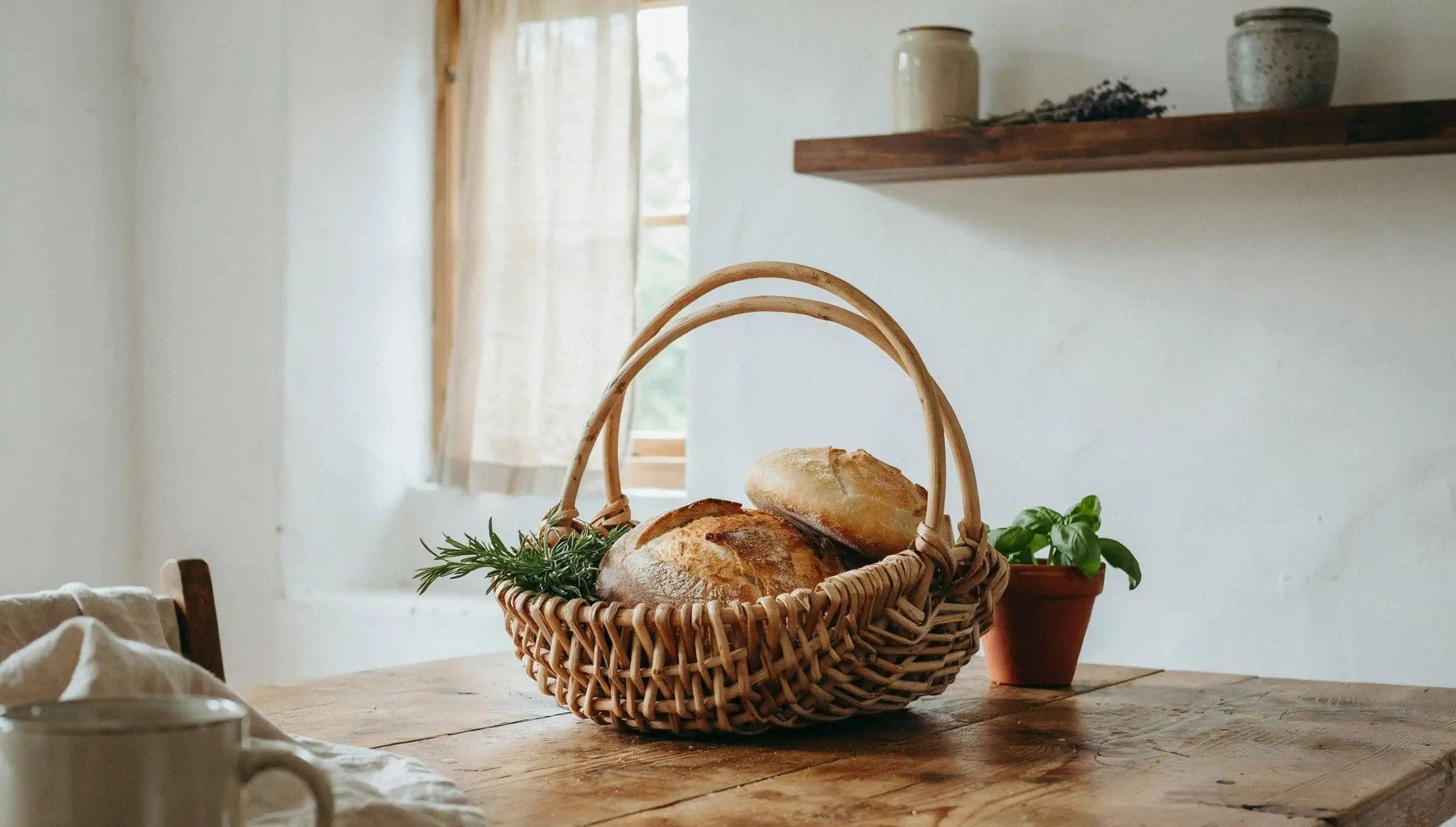
Throughout history, certain handcrafted objects have survived generations because of their practicality, beauty, and cultural importance. One such example is the cesta roman, a traditional basket style inspired by ancient Roman weaving methods. While modern storage solutions rely heavily on plastic and synthetic materials, the cesta roman continues to attract historians, designers, and craft enthusiasts because of its remarkable durability and timeless appearance.
Originating from techniques developed during the Roman Empire, this basket style combines functionality with artistic craftsmanship. Today, it remains a symbol of sustainable living and traditional European heritage. Understanding its origins, construction methods, and modern applications helps us appreciate why this ancient craft continues to thrive in contemporary society.
The Historical Origins of Roman Basket Weaving
The roots of the cesta roman can be traced back to the height of the Roman Empire. During ancient times, baskets were essential tools for everyday life. Farmers used them to transport crops, merchants relied on them for trade, and households depended on them for storage.
Roman craftsmen perfected weaving techniques using locally available natural materials such as willow, reeds, and hazel branches. Their goal was not simply to create decorative items but to build containers strong enough to withstand daily use and long-distance transportation. These practical requirements led to the development of highly structured weaving patterns that became characteristic of Roman basketry.
Over centuries, these techniques spread throughout Europe and evolved into regional weaving traditions that still preserve many original Roman characteristics.
Why Roman Baskets Were Important in Daily Life
In ancient Roman society, baskets served countless purposes. They were used in agriculture, commerce, military operations, and domestic settings. Grain, olives, grapes, and various goods were transported using woven containers because they were lightweight yet remarkably strong.
Roman soldiers even utilized baskets during military campaigns. These baskets helped carry soil, stones, and construction materials while building camps and defensive structures. Their practical value made them indispensable throughout the empire.
The widespread use of these woven containers contributed significantly to the popularity and survival of the techniques that later inspired the modern cesta roman style recognized today.
Materials Used in Traditional Cesta Roman Construction
One of the defining features of authentic Roman-style basketry is the exclusive use of natural materials. Traditional artisans carefully select materials that provide both flexibility and strength.
Willow remains one of the most popular choices because it bends easily without breaking. Hazel branches are valued for their durability, while reeds offer excellent weaving characteristics for intricate patterns.
The preparation process is equally important. Harvested materials are dried, soaked, and treated to achieve the ideal balance between flexibility and structural integrity. This careful preparation allows craftsmen to create baskets capable of lasting for decades with proper maintenance.
The commitment to natural materials also aligns perfectly with modern sustainability values.
Unique Structural Features of a Cesta Roman
Unlike many modern decorative baskets, the cesta roman follows a highly disciplined architectural design. Its structure relies on a strong central framework supported by radiating spokes that distribute weight evenly across the entire basket.
This engineering-focused approach provides several advantages. First, it increases load-bearing capacity. Second, it improves durability by reducing stress on individual fibers. Finally, it creates the distinctive geometric appearance associated with Roman-inspired weaving.
The weave density is usually much tighter than that found in mass-produced baskets. This compact construction prevents small objects from falling through gaps while enhancing overall strength and longevity.
The Art of Traditional Roman Weaving Techniques
Creating a traditional basket requires patience, skill, and years of experience. Every stage of the weaving process contributes to the final product’s quality and appearance.
Harvesting and Preparing Natural Fibers
Craftsmen begin by gathering suitable materials during specific seasons. Proper harvesting ensures optimal flexibility and reduces the risk of cracking during weaving. After harvesting, fibers undergo drying and soaking procedures that prepare them for shaping.
Building the Basket Framework
The framework forms the foundation of the basket. Strong spokes are arranged in a radial pattern before weaving begins. This structure determines the basket’s final shape and strength.
Interlocking Weaving Patterns
Artisans then weave thinner fibers through the framework using tightly controlled patterns. These interlocking rows create the dense geometric appearance that distinguishes authentic Roman basketry from modern commercial alternatives.
How Cesta Roman Fits into Modern Interior Design
The growing interest in sustainable and natural home décor has increased demand for traditional handcrafted items. The cesta roman fits perfectly into this trend because it combines functionality with visual appeal.
Interior designers frequently incorporate these baskets into rustic, farmhouse, Mediterranean, and minimalist spaces. Their natural texture adds warmth and character to rooms dominated by modern materials such as glass, steel, and concrete.
Because each handmade basket contains subtle variations in color and pattern, it also introduces a sense of authenticity that mass-produced décor items often lack.
Practical Uses of Roman-Inspired Baskets Today
Although centuries have passed since the Roman Empire, these baskets remain surprisingly practical in modern households.
Large baskets can store blankets, cushions, or firewood in living rooms. Medium-sized versions work well in kitchens for displaying fruits, vegetables, and artisan bread. Smaller baskets provide elegant organization for offices, bathrooms, and entryways.
Many homeowners also use woven baskets as decorative plant holders. When paired with olive trees, fiddle-leaf figs, or other indoor greenery, they create a natural and sophisticated aesthetic.
These practical applications demonstrate how ancient craftsmanship continues to meet modern needs effectively.
How to Identify an Authentic Handmade Basket
As demand grows, many machine-made imitations have entered the market. Distinguishing a genuine handcrafted basket from a factory-produced alternative requires careful observation.
Authentic baskets typically display slight variations in color, texture, and fiber thickness. These imperfections are signs of genuine craftsmanship rather than flaws. Handmade versions also feature continuous structural spokes extending from the base into the side walls.
Machine-produced baskets often rely on wire frames, staples, or synthetic materials hidden beneath decorative weaving. While they may resemble traditional designs visually, they rarely offer the same durability or historical authenticity.
Buying from reputable artisans or traditional workshops remains the best way to ensure authenticity.
Caring for a Traditional Cesta Roman
Proper maintenance significantly extends the lifespan of natural woven baskets. Fortunately, caring for them is relatively simple.
Regular dusting with a soft brush prevents dirt accumulation between fibers. For deeper cleaning, a slightly damp cloth with mild soap can be used carefully. Excessive moisture should always be avoided because prolonged exposure may weaken natural materials.
Direct sunlight can also cause fading and brittleness over time. Keeping baskets in shaded indoor environments helps preserve their appearance and structural integrity.
With consistent care, a high-quality basket can remain functional and attractive for several decades.
The Future of Traditional Basket Craftsmanship
In an era increasingly focused on sustainability, traditional crafts are experiencing renewed appreciation. Consumers are becoming more conscious of environmental impact and seeking alternatives to disposable products.
The cesta roman represents exactly the type of craftsmanship that aligns with these values. Made from renewable materials and built to last for generations, it offers a sustainable alternative to mass-produced storage solutions.
Many artisan communities across Italy, Spain, and France continue teaching these techniques to younger generations. This commitment helps preserve an important cultural tradition while ensuring that future consumers can continue enjoying authentic handcrafted products.
Conclusion
The cesta roman stands as a remarkable example of how ancient craftsmanship can remain relevant in the modern world. From its origins in Roman agriculture and trade to its current role in sustainable interior design, this traditional basket style continues to demonstrate exceptional practicality and beauty.
Its strong structural design, natural materials, and timeless appearance have allowed it to survive centuries of technological change. Whether used for storage, decoration, or cultural appreciation, the cesta roman remains a valuable symbol of European heritage and artisanal excellence.
As interest in eco-friendly living grows, this historic weaving tradition will likely continue inspiring homeowners, designers, and craftspeople for many years to come.
Frequently Asked Questions
1. What does cesta roman mean?
Cesta roman generally refers to a Roman-style basket inspired by traditional weaving methods developed during the Roman Empire.
2. What materials are used to make these baskets?
Traditional versions are made from willow, hazel, reeds, and other natural plant fibers.
3. Are Roman-style baskets still handmade today?
Yes. Many artisans in Italy, Spain, and France continue producing them using traditional hand-weaving techniques.
4. Can these baskets be used outdoors?
They can tolerate occasional outdoor use, but prolonged exposure to rain and moisture is not recommended.
5. How long can a handmade basket last?
With proper care, a quality handcrafted basket can last several decades.
6. What makes Roman weaving different from modern wicker?
Roman weaving typically uses denser interlocking patterns and stronger structural frameworks.
7. Are these baskets environmentally friendly?
Yes. They are usually made from renewable natural materials and are biodegradable.
8. How should I clean a woven basket?
Use a soft brush for dusting and a slightly damp cloth with mild soap for occasional deeper cleaning.
9. Can a cesta roman hold heavy items?
Authentic handmade versions are designed to support significant weight and can often hold up to 30 kilograms or more.
10. Why is the cesta roman popular in modern homes?
Its combination of sustainability, durability, historical value, and aesthetic appeal makes it a versatile addition to contemporary interiors.
